
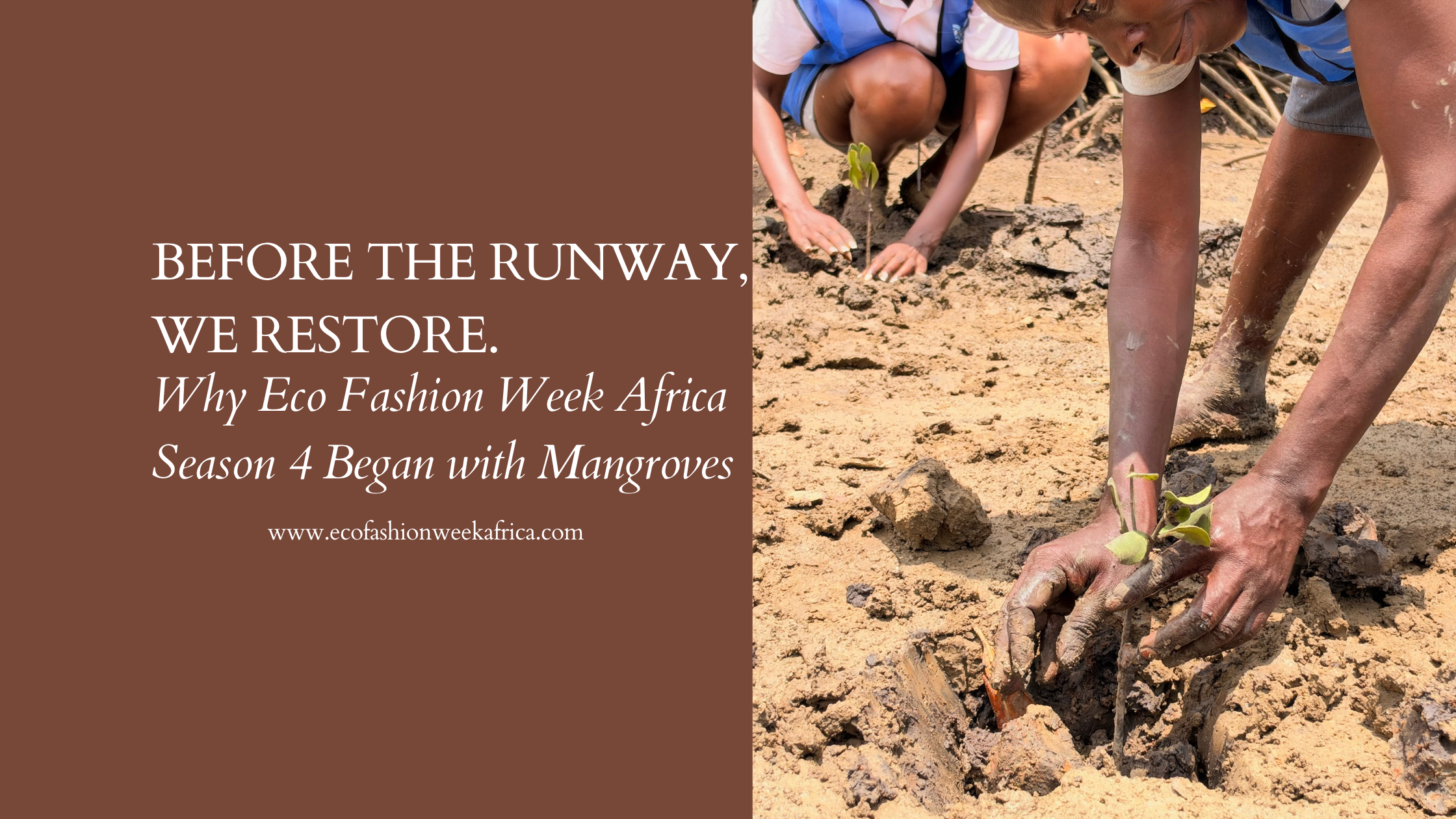
Before the Runway, We Restore: Why Eco Fashion Week Africa Season 4 Began with Mangroves
Mombasa, Kenya | 1 November 2026
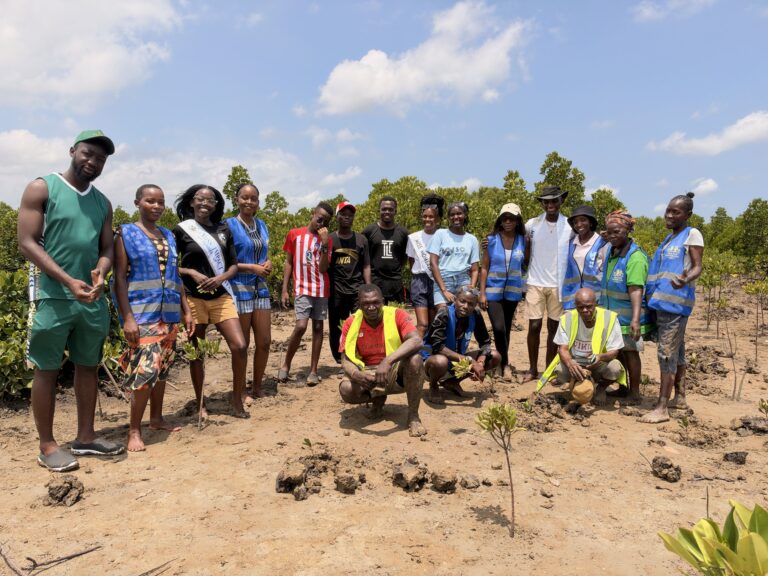
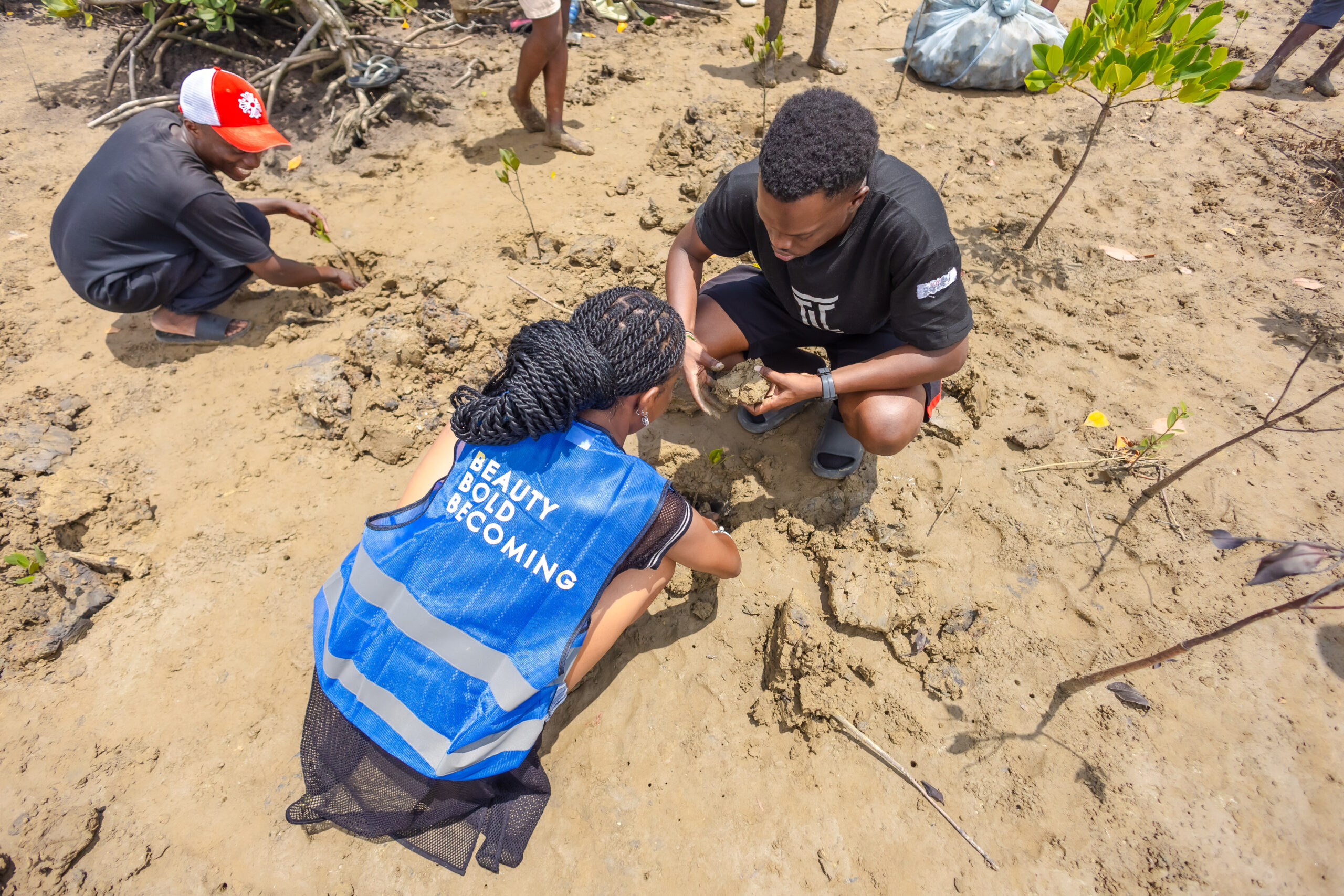
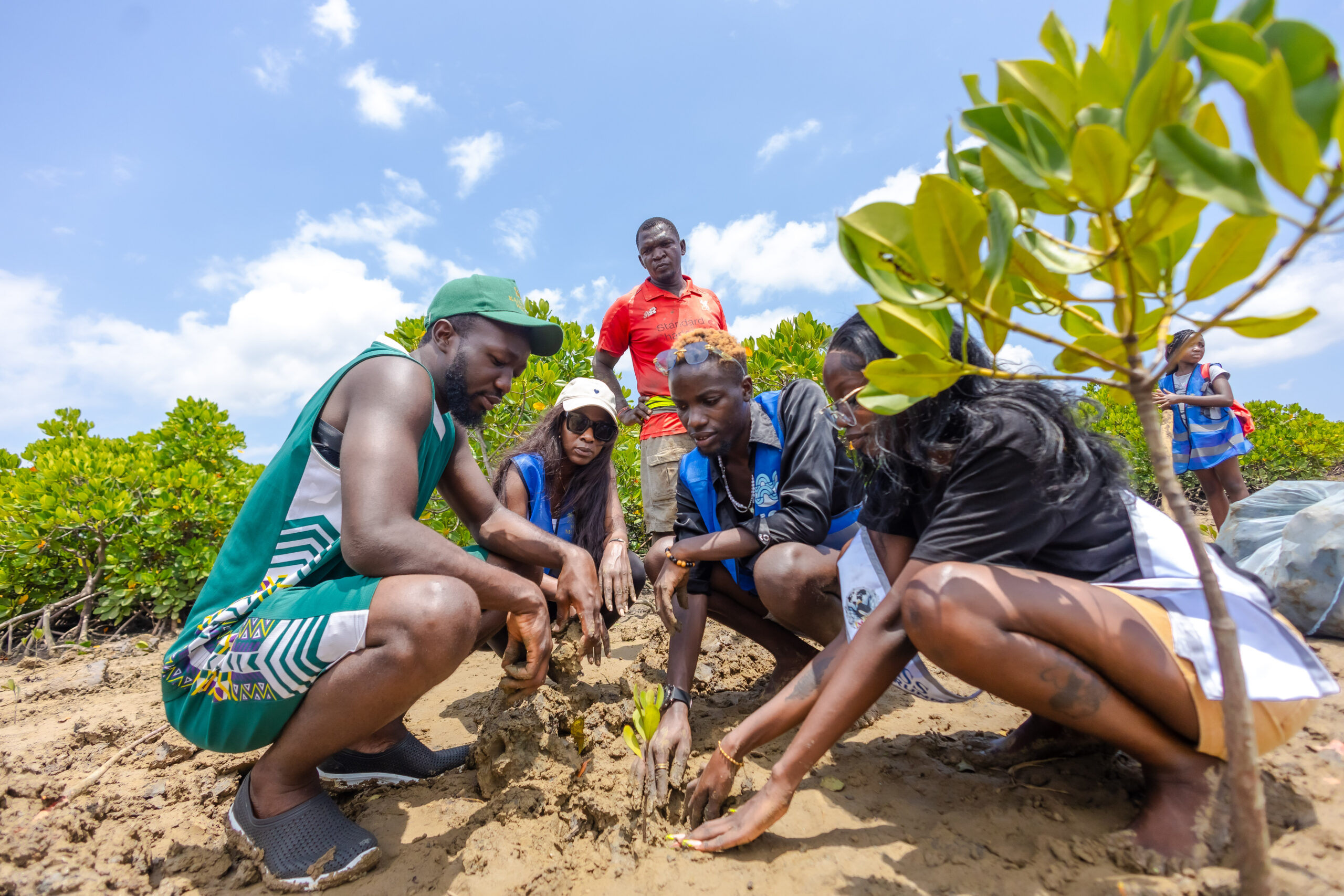
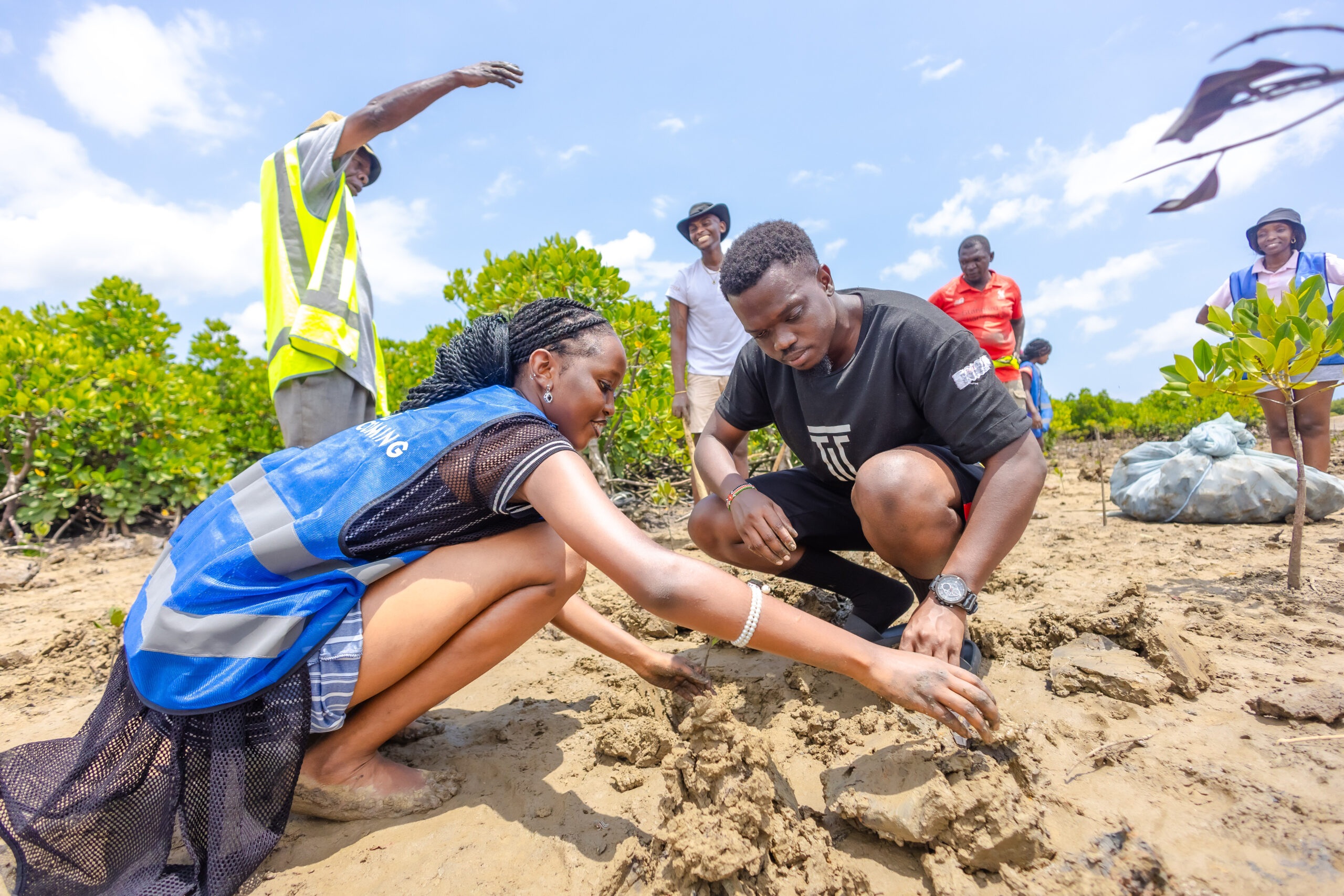
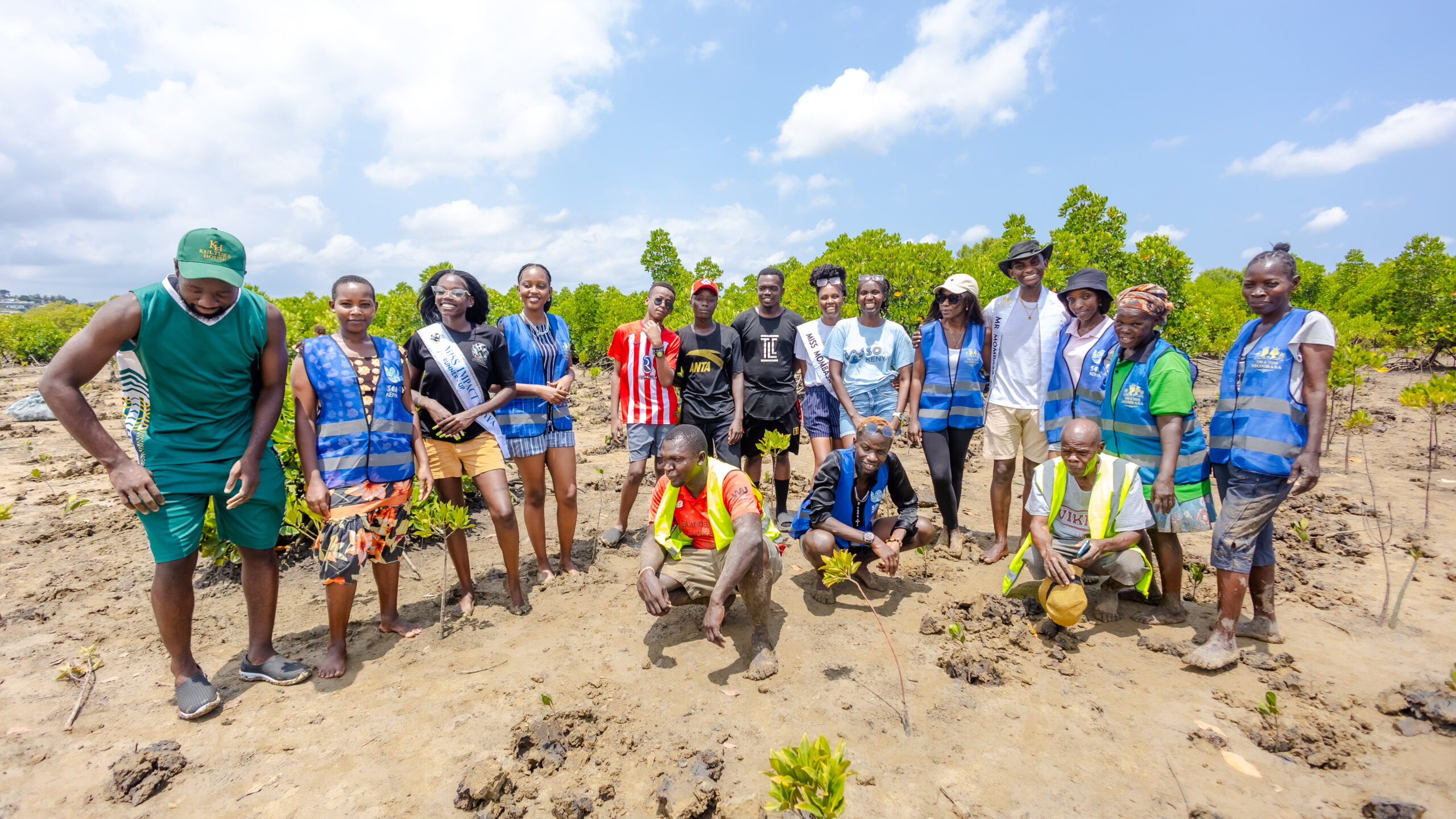
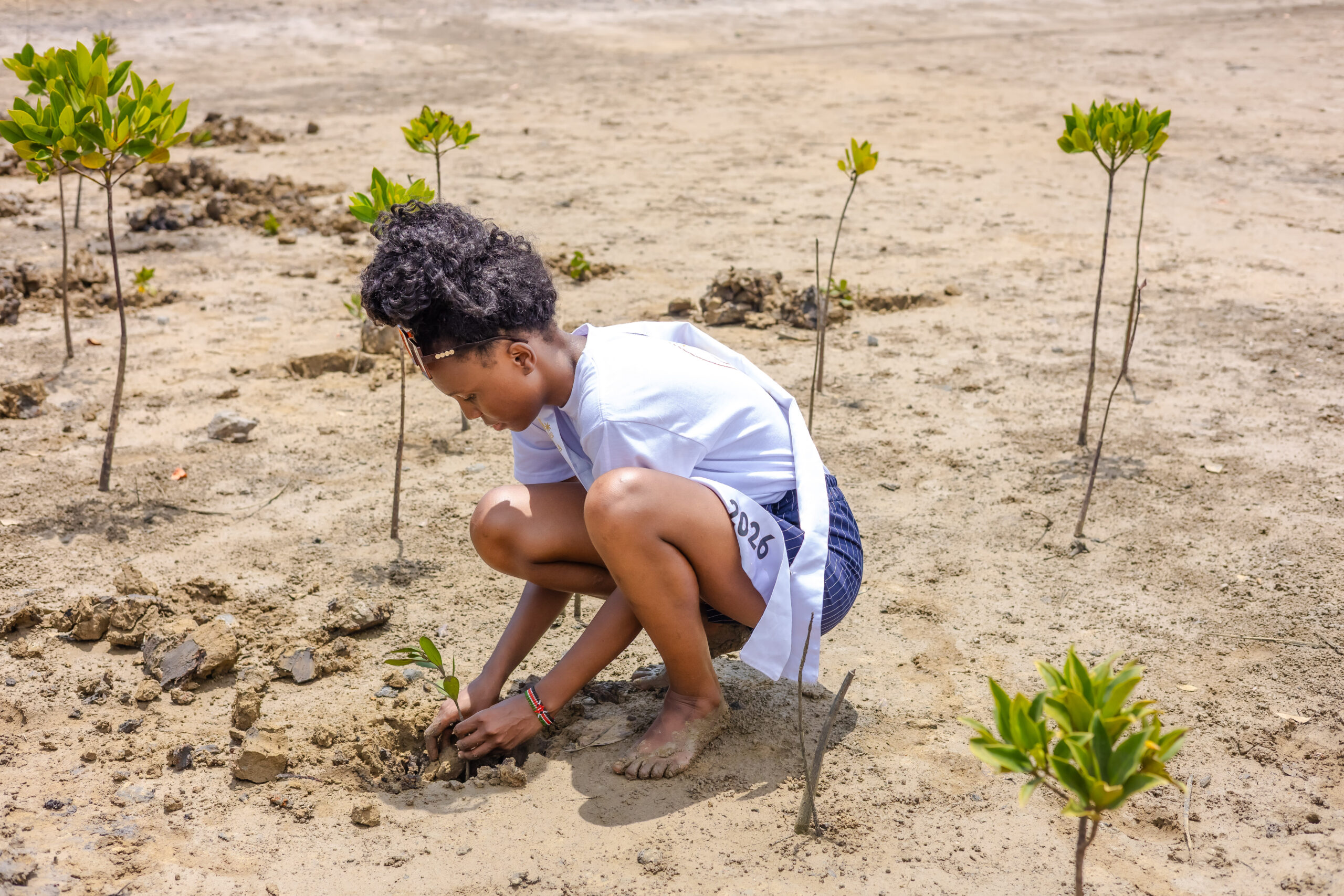
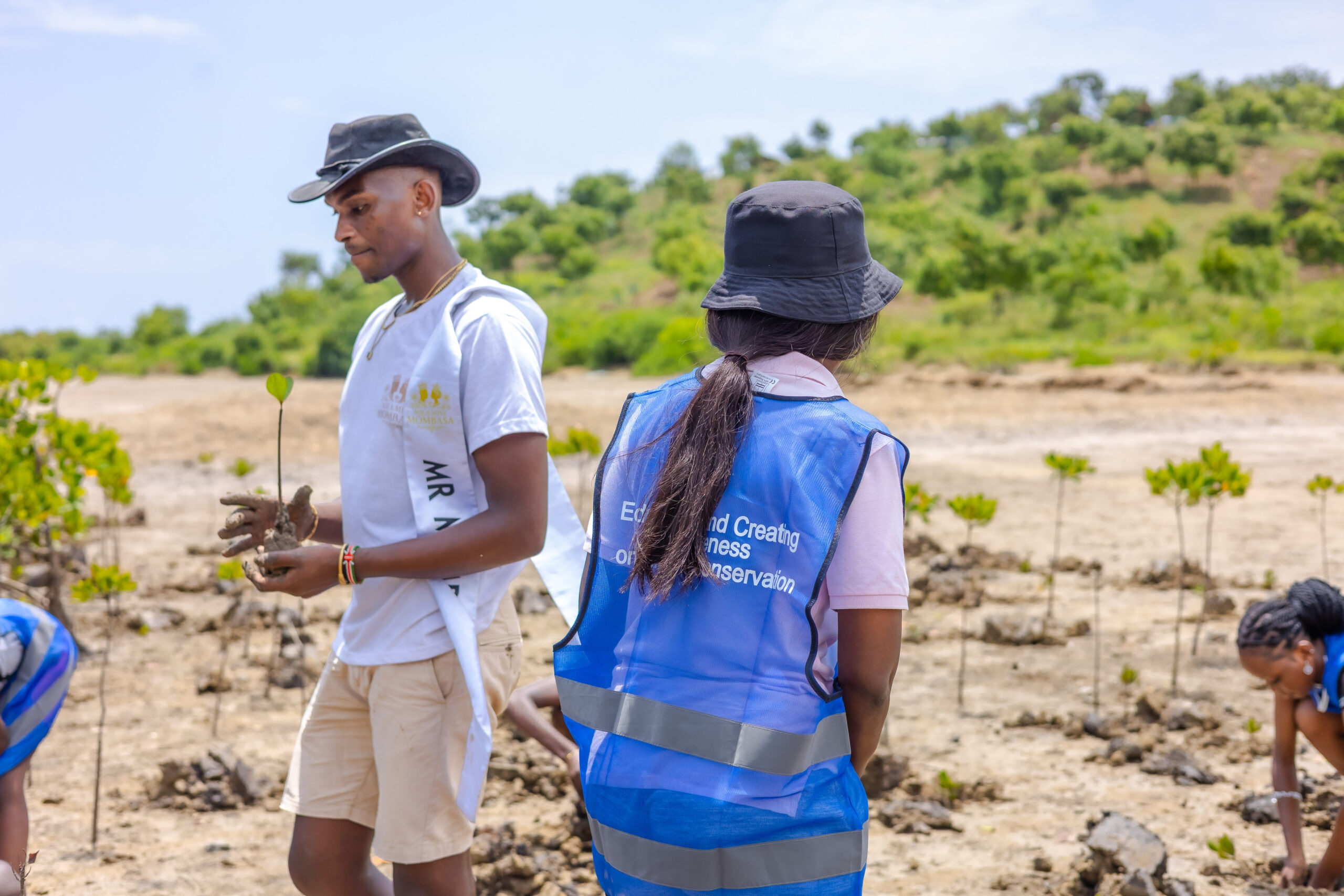
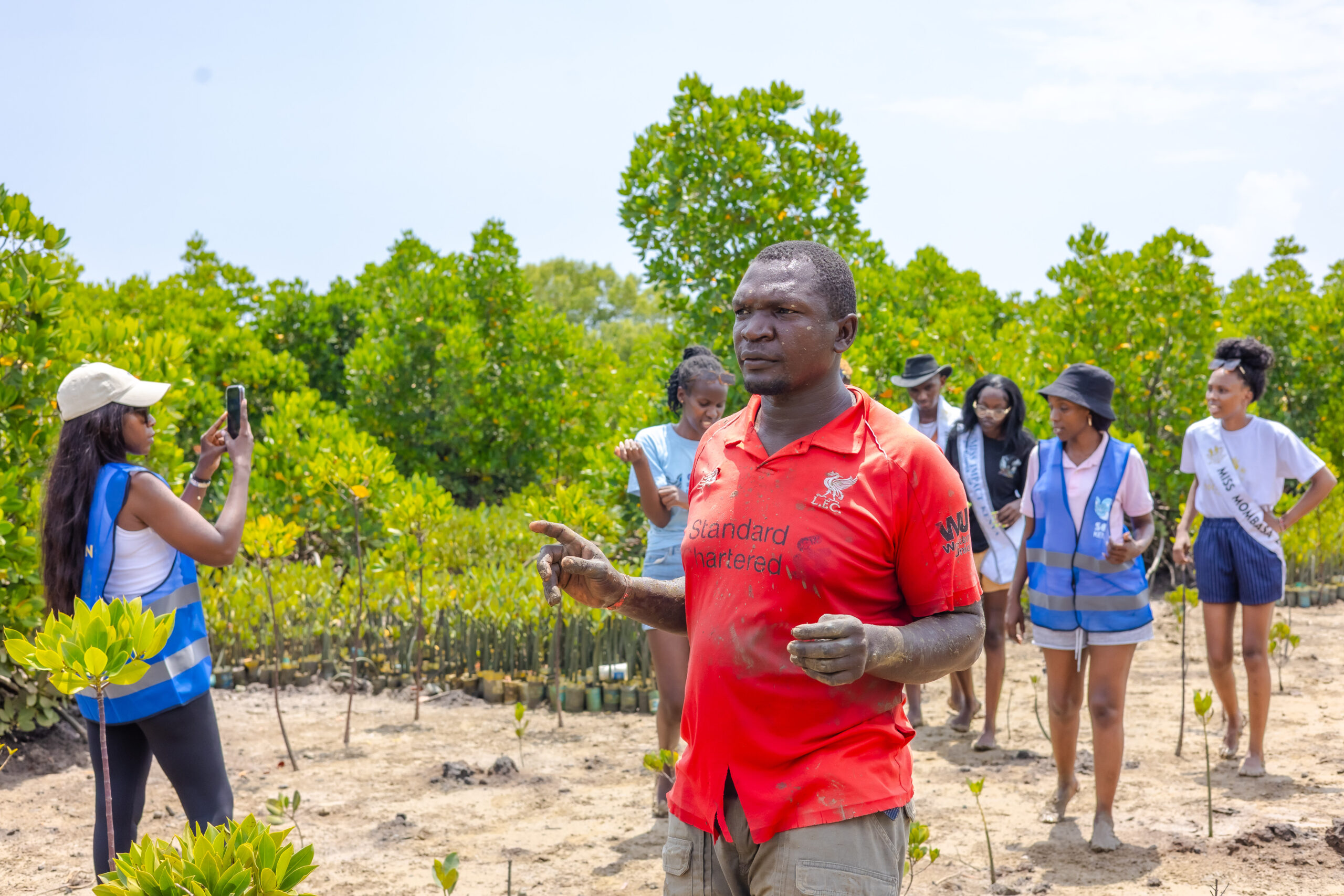
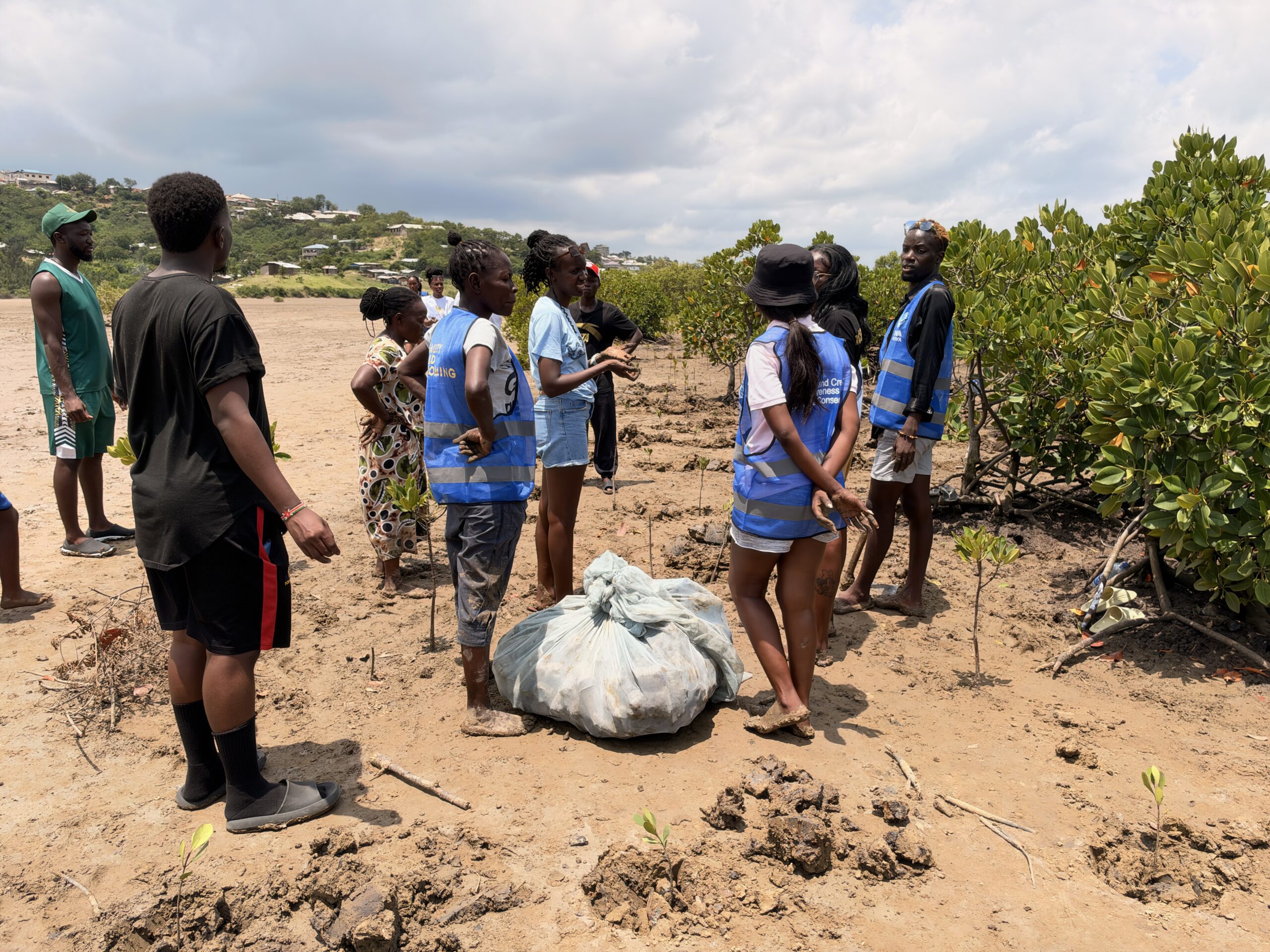
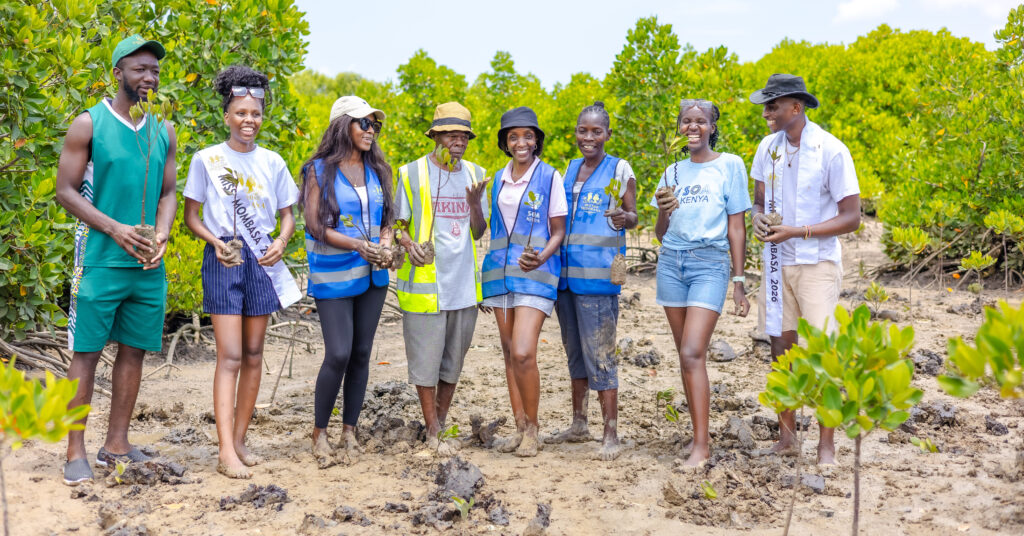
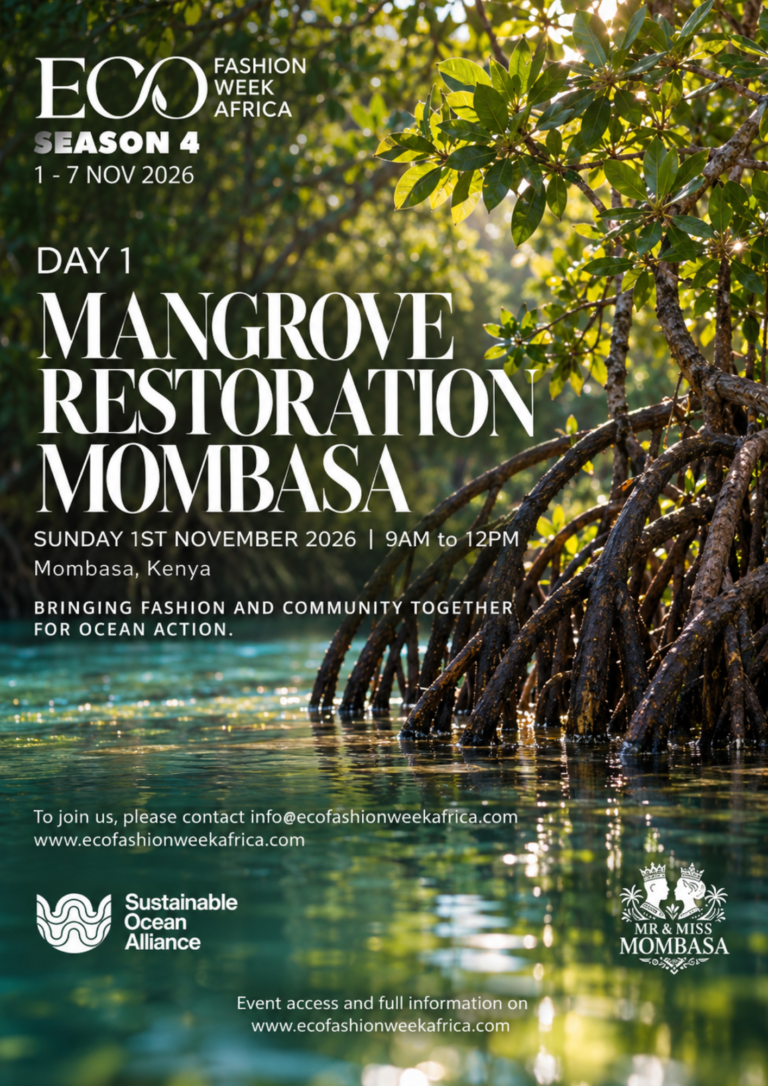
Eco Fashion Week Africa opened its fourth season with mangrove restoration in collaboration with Sustainable Ocean Alliance (SOA) and Mr and Miss Mombasa, connecting fashion’s environmental footprint with the urgent need to protect and restore our natural ecosystems.
What do mangroves have to do with fashion?
At first glance, a mangrove forest and a fashion runway may seem worlds apart.
One exists along our coastlines, protecting marine ecosystems and supporting communities. The other celebrates creativity, design, personal expression and culture.Yet both are connected by the decisions we make about the resources we consume and the environment we leave behind.
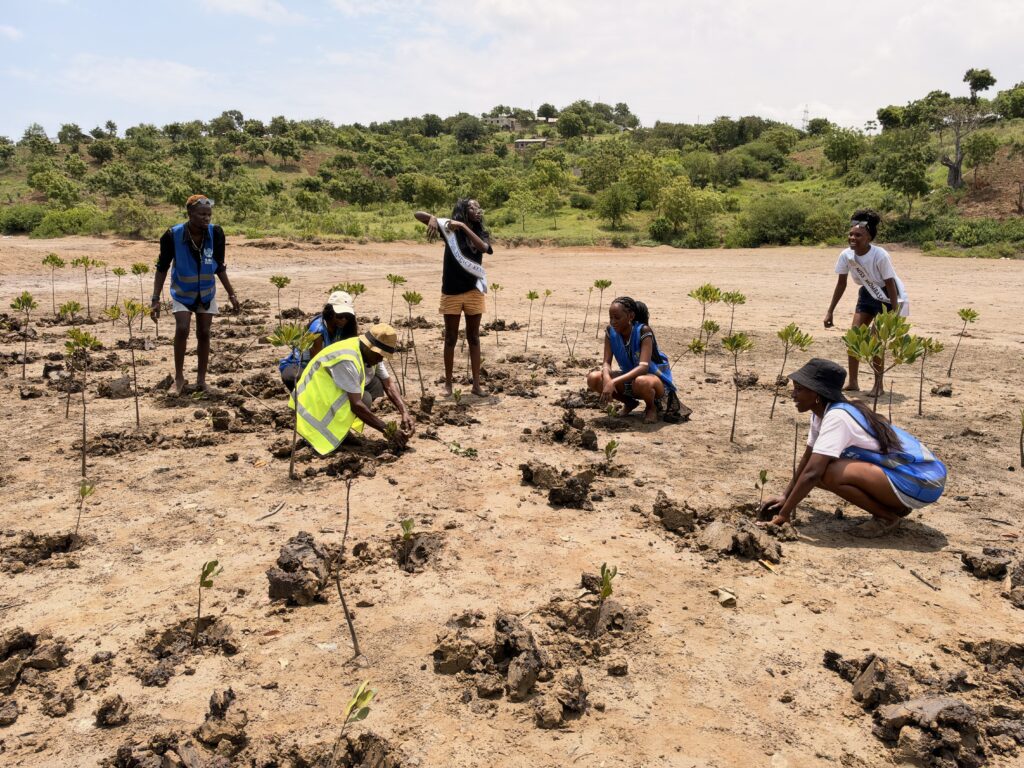
On 1 November 2026, Eco Fashion Week Africa began Season 4 in Mombasa, exchanging the traditional runway opening for hands-on mangrove restoration alongside Sustainable Ocean Alliance and Miss Impact Mombasa.
It was a deliberate choice.
At EFWA, we believe conversations about the future of fashion must begin with an understanding of the natural world that makes the industry possible.
The hidden environmental cost of fashion
We love fashion. We celebrate its creativity, cultural significance and economic potential. But loving fashion also means being willing to question the systems behind it.
Every garment has an environmental story.
Natural fibres such as cotton require land and water. Synthetic fibres such as polyester are largely derived from fossil fuels. Manufacturing, dyeing, transportation and garment care consume energy and resources, while discarded textiles contribute to growing waste problems.
According to the United Nations Environment Programme, the textile industry accounts for an estimated 2 to 8 percent of global greenhouse gas emissions.
As production and consumption increase, so does the pressure on our planet.
This is why Eco Fashion Week Africa places circularity, upcycling, reuse and responsible consumption at the centre of its work.
Our message, NO NEW CLOTHES, challenges the assumption that fashion must constantly produce something new to remain relevant, exciting or economically meaningful.
Why mangroves matter in the fight against climate change
Mangroves are among nature’s remarkable climate allies.
These coastal trees grow where land meets the sea, developing intricate root systems that stabilise shorelines, create habitats for marine species and help protect coastal communities against erosion.
They also capture carbon dioxide from the atmosphere and store carbon in their trunks, branches, roots and, importantly, the sediments beneath them.
This is known as blue carbon.
According to the US National Oceanic and Atmospheric Administration (NOAA), mangroves and other coastal blue carbon habitats can store three to five times as much carbon per unit area as tropical forests.
Their importance goes far beyond carbon storage.
Healthy mangrove ecosystems help sustain fisheries, support biodiversity, protect coastal livelihoods and strengthen resilience against climate change.
When these ecosystems are degraded or destroyed, the benefits they provide are threatened, and carbon stored in their soils can be released back into the atmosphere.
Restoring them is therefore an investment in the health of our coastlines and the communities that depend on them.
Why we chose to begin Season 4 here
Eco Fashion Week Africa has never believed that fashion’s future should be discussed exclusively on a runway.
The industry’s challenges involve the environment, business, education, cultural heritage, policy and the choices we make as consumers.
Beginning our fourth season with environmental action was a reminder of those connections.
In collaboration with Sustainable Ocean Alliance and Mr & Miss Mombasa, we brought our opening programme to Mombasa’s coastal environment, placing restoration at the beginning of a week dedicated to reimagining fashion.
The significance of this work extends beyond the seedlings planted on one day.
Successful ecosystem restoration requires appropriate environmental conditions, local expertise, long-term protection and continued care.
It also requires a shift in how we think about our responsibility to nature.
Planting trees cannot replace reducing emissions. And recycling clothes cannot, on its own, solve fashion’s environmental challenges.
But together, practical environmental action and changes to production and consumption can contribute to a different future.
From mangrove restoration to the No New Clothes Runway
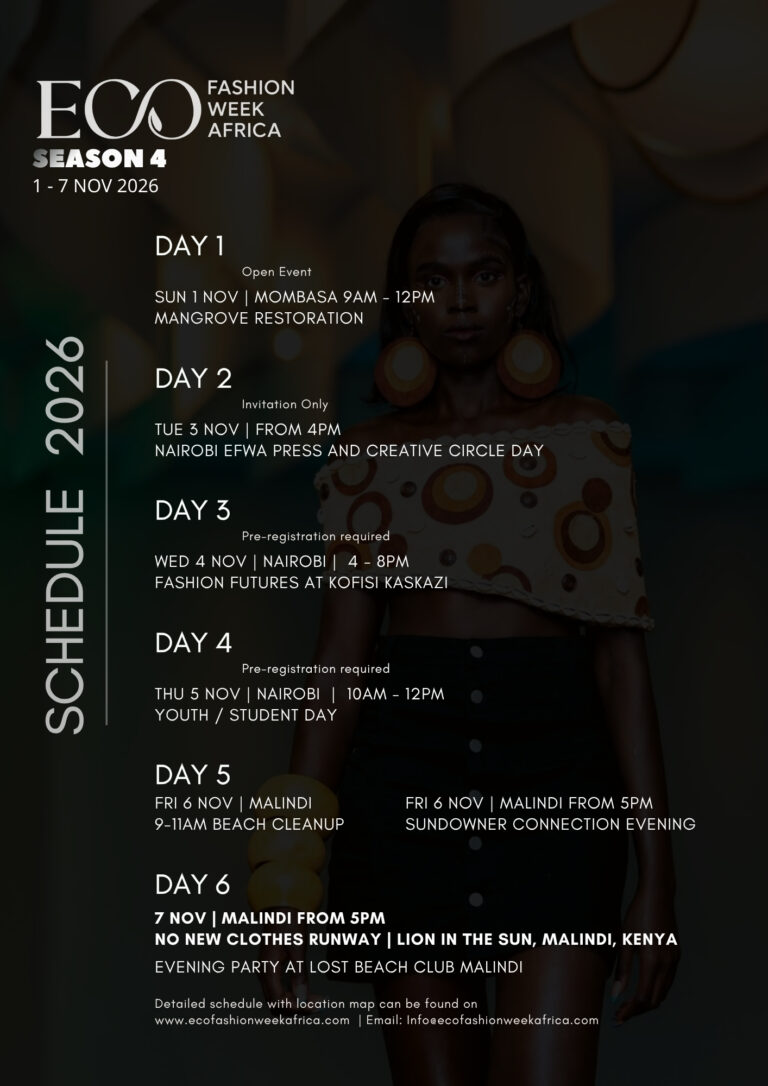
Over the coming days, Eco Fashion Week Africa Season 4 will move through Nairobi and Malindi, bringing together conversations on fashion policy, circular business models, creative entrepreneurship, education, environmental responsibility and cultural craftsmanship.
The week concludes on 7 November at Lion in the Sun, Malindi, with the signature NO NEW CLOTHES RUNWAY.
Here, designers demonstrate what happens when creativity is measured by imagination and craftsmanship rather than the constant production of new garments.
Existing materials can be reconstructed. Forgotten textiles can find new purpose. Traditional techniques can be celebrated. Clothing can be reimagined, worn again and valued for longer.
For EFWA, this is an essential part of reducing fashion’s environmental footprint.
The same commitment that takes us into a mangrove forest should influence the decisions made in design studios, factories, retail spaces and wardrobes.
A future built through collaboration
Our opening day also demonstrated the importance of partnerships in creating meaningful environmental action.
We are grateful to Sustainable Ocean Alliance and Miss Impact Mombasa for joining Eco Fashion Week Africa in connecting environmental awareness with collective participation.
Season 4 continues through the commitment of partners, designers, industry professionals, volunteers and communities who share the belief that Africa can help shape a better future for fashion.
And as our fourth season begins, the message is clear:
We cannot talk about protecting the future of fashion without protecting the natural world that makes our future possible.
Before the runway, we restore.
Before creating something new, we consider what already exists.
See the full week program HERE.
Eco Fashion Week Africa is volunteer led and partnership driven. We use the power of fashion to turn awareness into collective action.
Through collaboration, education and impactful experiences, we create opportunities for different sectors to come together, exchange knowledge, test ideas and work towards tangible solutions for a more responsible fashion future.
For partnerships, contact info@ecofashionweekafrica.com
No Responses