
By Belinda Atieno | Founder, Eco Fashion Week Africa
In a time when the global fashion industry is reimagining itself, Africa stands as a vibrant source of innovation, resilience, and regenerative creativity. From waste-to-wear transformations to ethical production rooted in heritage, African women are not just participating in the circular fashion movement—they are leading it.
As the founder of Eco Fashion Week Africa, I’ve had the privilege of witnessing and working alongside some of these remarkable changemakers. This article celebrates their leadership and introduces voices you should know if you’re passionate about fashion’s future—especially one that honors the earth, culture, and communities.
1. Omoyemi Akerele (Nigeria)
Founder of Lagos Fashion Week and Style House Files, Omoyemi is a powerful advocate for sustainable fashion ecosystems in Africa. Through initiatives like Green Access, she’s nurturing new eco-conscious design talent across the continent. Linkedin Profile

2. Anyango Mpinga (Kenya)
A great mentor of mine, Anyango is a fashion designer and activist who beautifully integrates spirituality, sustainability, and storytelling into her work. She’s also the founder of “Free As A Human,” a movement that advocates for ethical production and women’s rights.
When I first shared my vision for Eco Fashion Week Africa with her, Anyango spoke to me for over two hours—listening intently, offering invaluable insight, and encouraging me to go for it. She didn’t just cheer me on from the sidelines; she generously offered to be a support system whenever I might need one. Anyango is not only someone I deeply respect and look up to—she is someone who truly walks the talk of uplifting and empowering fellow women in this space. https://www.anyangompinga.com
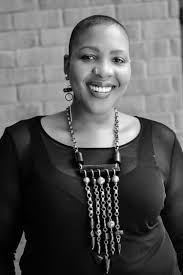
3. Sindiso Khumalo (South Africa)
With her vibrant hand-illustrated textiles and social justice mission, Sindiso is creating garments that tell stories of African heritage, women, and climate. She’s a finalist for the LVMH Prize and a global name. Linkedin Profile

4. Jacqueline Shaw (UK/Ghana)
Founder of Africa Fashion Guide, Jacqueline is a key voice connecting ethical fashion brands to African sourcing, supply chains, and education through webinars, sourcing trips, and masterclasses. LinkedIn profile
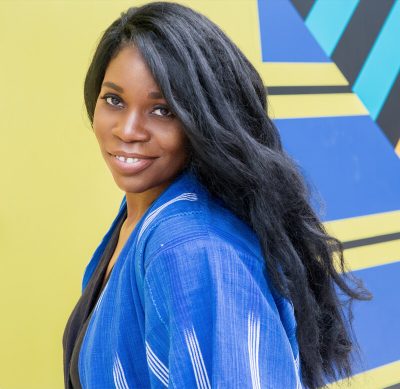
5. Sarah Diouf (Senegal)
Creative director of Tongoro Studio, Sarah is building slow, accessible African luxury fashion with a global following. Her focus on local manufacturing and supply chain equity is a powerful model. LinkedIn Profile
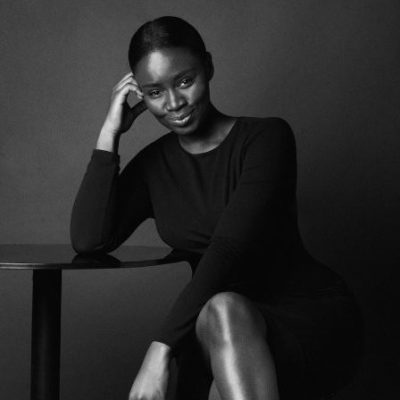
6. Aja Barber (Nigeria/US)
Writer, consultant, and educator, Aja bridges the conversations around fast fashion, colonialism, and sustainability with piercing clarity and social insight.
Aja has played a significant role in my journey unknowingly. I was on the waiting list for her debut book Consumed and have followed her work religiously for years. Her ability to explain complex issues in accessible and unapologetic ways has been both inspiring and empowering.
If you’re looking to learn from her, I highly recommend exploring her writing and subscribing to her Patreon, where she shares deep, consistent insights into fashion justice and systems change. She has a new upcoming book “BAD VIBES” that I’m incredibly excited about. You can find more of her work and support her ongoing projects at https://www.patreon.com/ajabarber.
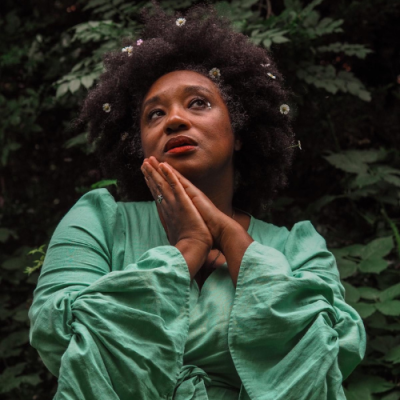
7. Tapiwa Matsinde (Zimbabwe/UK)
Author of Contemporary Design Africa, Tapiwa documents African designers who blend traditional craftsmanship with innovation. She is also a respected voice on ethical design.
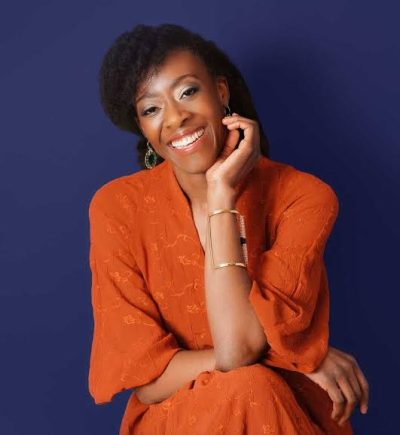
9. Lisa Folawiyo (Nigeria)
Famed for her modern take on Ankara, Lisa builds her collections around artisanal techniques and slow production processes, advocating for the economic empowerment of local artisans. Linkedin Profile
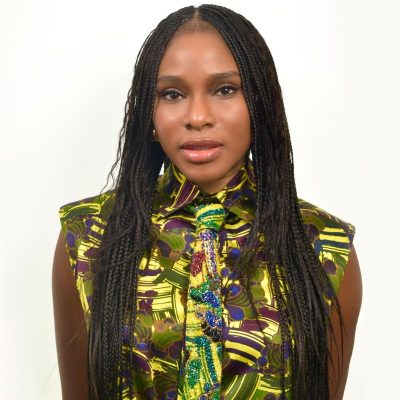
Samata Pattinson (Ghana/UK)
A British-born Ghanaian entrepreneur, Samata is the CEO of BLACK PEARL, an organization dedicated to cultural sustainability across fashion, music, and entertainment. Her work emphasizes connecting communities and the planet through innovative partnerships and initiatives. Samata has been instrumental in promoting sustainable fashion on global platforms, including her role in delivering sustainable fashion to the Oscars through the Red Carpet Green Dressinitiative. She is also the author of The Fashion Designer’s Resource Book and has contributed to publications like The Guardian and Vogue, discussing sustainability in fashion
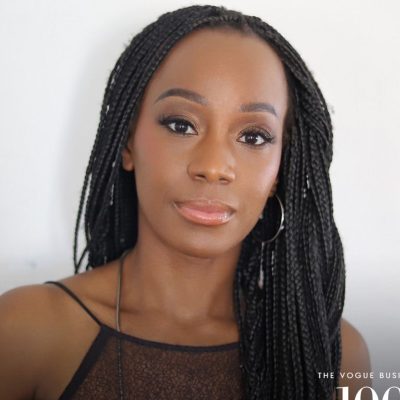
10. Belinda Atieno (Kenya)
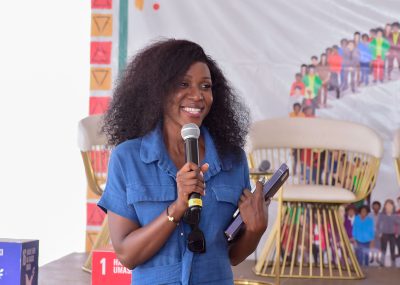
Yes—that’s me. As the co-founder of Eco Fashion Week Africa and the founder of Sustainable Fashion Talks, my mission is to platform upcycled and recycled design, zero-waste innovation, and the power of African cultural heritage in reshaping global fashion. Through storytelling, events, educational workshops, and constantly looking for partnerships, I strive to inspire a movement rooted in regeneration and representation.
Why This Matters
Africa isn’t following trends—it’s creating the blueprint for a more just and circular fashion industry. These women are proving that sustainability isn’t just a Western ideal—it’s an African legacy. Their work deserves to be studied, shared, and supported.
Let’s keep the spotlight on these voices. Follow them. Learn from them. Work with them.
And if you’re a writer, designer, or stylist who believes in a new fashion future, know this: the revolution is already here, and it looks like us.
Eco Fashion Week Africa is committed to building visibility for African voices in sustainability. Follow us at www.ecofashionweekafrica.com and @ecofashionweekafrica for more insights, events, and features.
No Responses