A connection made during Eco Fashion Week Africa Season 3 is developing into something much bigger: a structured pathway connecting fashion education, international industry experience, mentorship and a public showcase platform for emerging Kenyan designers.
Through a collaboration between Eco Fashion Week Africa, QKompany LLC and Delight Fashion School at Delight Technical College, two emerging designers, Princess Mumbi Nyaruiru and Susan Kaimuri Muhoro, have been selected to participate in an international fashion industry internship designed to move learning beyond the classroom and into practical professional experience.
Their journey will eventually come full circle at Eco Fashion Week Africa Season 4, where work developed through the programme is expected to be presented on the EFWA runway in Malindi.
A connection that began at Eco Fashion Week Africa
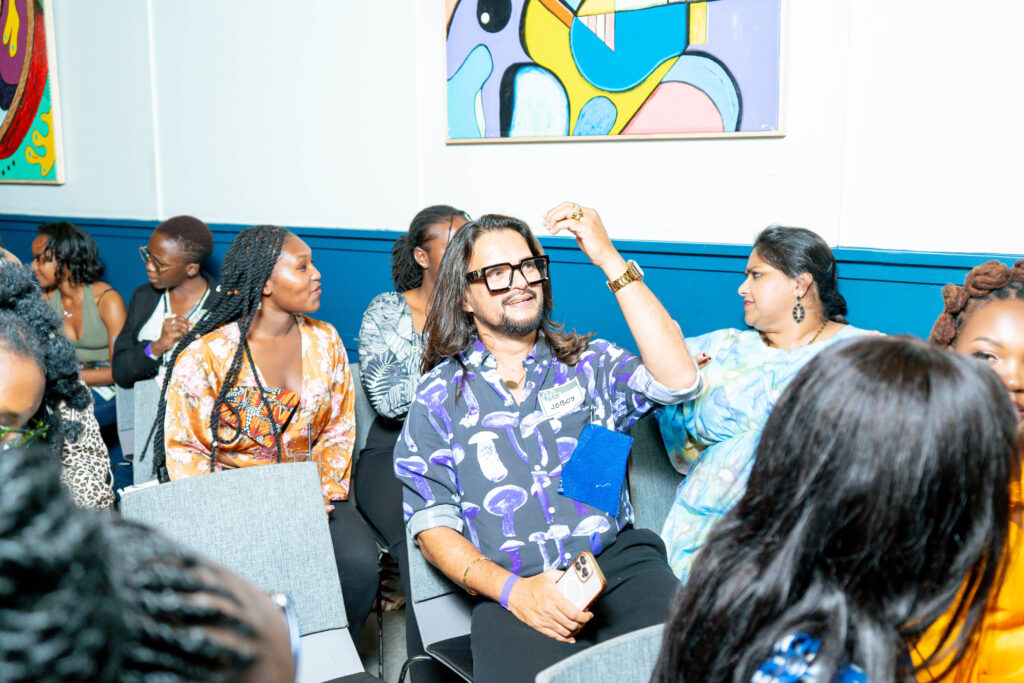
The collaboration grew from an introduction during Eco Fashion Week Africa Season 3 in Nairobi, where Delight Fashion School connected with Thankam Philip, Founder of QKompany LLC.
What could have remained a brief industry introduction instead developed into a wider conversation around access, education and opportunity.
EFWA and QKompany began exploring how emerging designers could be given practical experience beyond academic training, while remaining connected to a strong African platform where their work could eventually be seen.
That conversation developed into the EFWA Global Designer Residency powered by QKompany LLC, conceived as a cross cultural learning and design programme connecting emerging African talent with mentorship, real world projects, professional exposure and a final showcase through Eco Fashion Week Africa.
At the centre of the programme is a simple but important idea: fashion education becomes stronger when students are given opportunities to understand how the industry actually works.
A competitive journey from 16 portfolios to 2 selected designers
The programme attracted strong interest from students at Delight Fashion School.
A total of 16 students submitted portfolios, which were reviewed as part of the Student Challenge Programme. From those submissions, five designers were shortlisted for the next stage:
Edna Kinya Aciita, Susan Kaimuri Muhoro, Princess Mumbi Nyaruiru, Farida Likoko and Rachel Kinya.
The five shortlisted students then progressed to panel interviews, where they presented their portfolios, spoke about their design journeys and responded to questions about their aspirations and readiness for the programme.
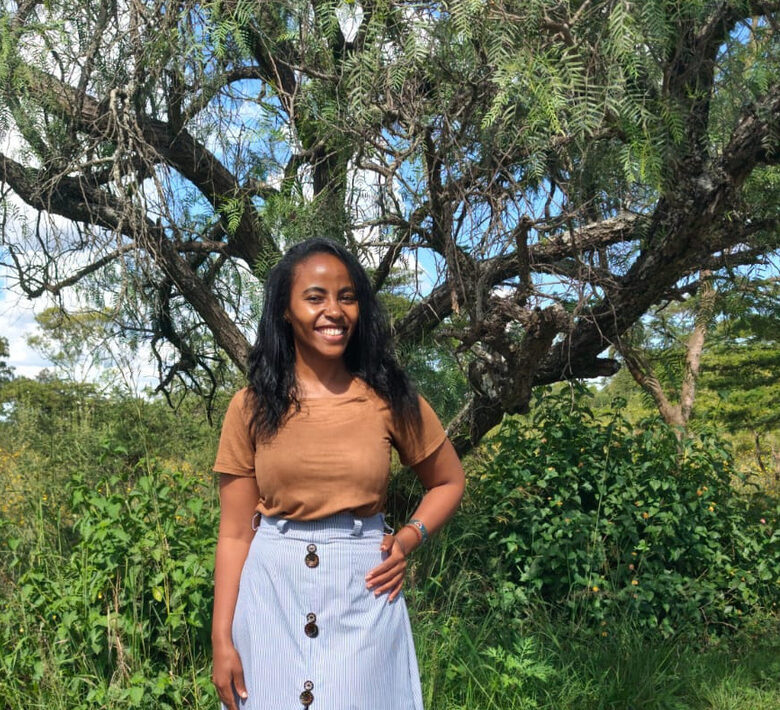
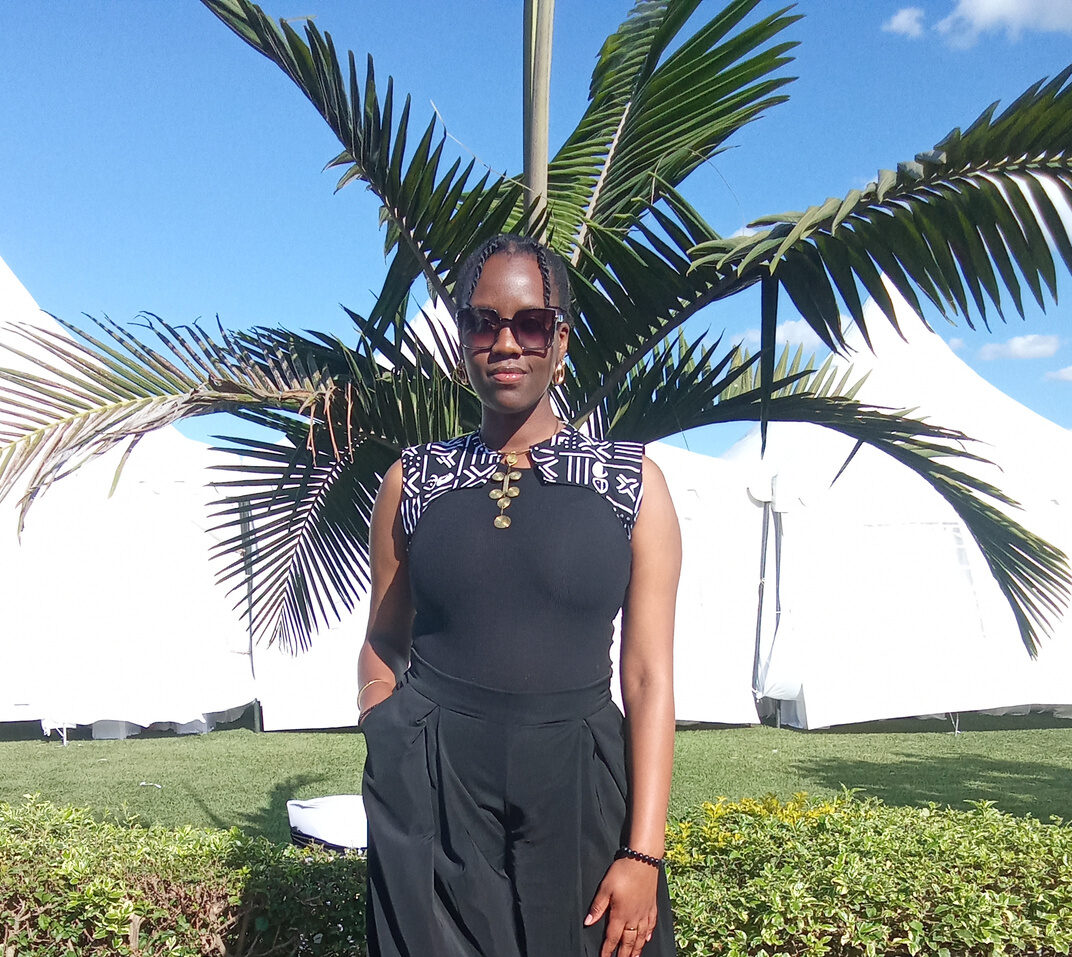
Following the final review, Princess Mumbi Nyaruiru and Susan Kaimuri Muhoro were selected for the 2026 opportunity.
The selection process was designed to go beyond aesthetics. Students were expected to demonstrate creativity, preparation, communication, design thinking and the ability to work within a professional environment.
Learning beyond garment making
The programme itself has been structured to give the selected designers a broader understanding of the fashion industry.
The learning modules cover global fashion markets, climate responsive design, cultural awareness, consumer behaviour, design brief interpretation, trend and concept research, circular fashion, textile waste, digital workflow, professional communication and portfolio development.
Students are being encouraged to think about who they are designing for, how climate and culture influence clothing, how materials perform in different environments, and how design decisions translate into real products for real consumers.
The programme also includes practical design challenges. Participating students have been asked to develop an everyday look and an occasion look, with the occasion piece encouraged to be convertible and capable of multiple styling possibilities. Sustainable design practices, artisanal techniques, multifunctionality and gender neutral thinking are also part of the creative direction.
Three partners had their distinct roles
From learning to a public platform
The selected designers are expected to complete a structured internship of approximately 45 working days, combining practical learning, mentorship and project based work.
Each participant is expected to produce two finished outfits, with the final work planned for presentation during Eco Fashion Week Africa Season 4 in Malindi in November 2026.
That final stage is important because it closes the loop.
The journey begins in the classroom, moves through selection and mentorship, progresses into practical industry experience, and returns to a public fashion platform where the students’ work can be seen by designers, media, partners, guests and the wider creative community.
QKompany has also expressed an interest in exploring the possibility of making the internship a recurring opportunity if the current programme progresses successfully.
That potential gives the collaboration significance beyond the two designers selected this year.
It offers the beginnings of a repeatable pathway through which future fashion students could move from education into professional exposure, mentorship and public visibility through relationships created around Eco Fashion Week Africa.
For EFWA, this is also an example of the kind of impact that can happen away from the runway itself.
One connection made during Season 3 has already grown into 16 student submissions, five finalists, two selected designers, an international internship and a planned Season 4 showcase.
For Princess Mumbi Nyaruiru and Susan Kaimuri Muhoro, the programme represents a major step in their professional development.
For QKompany, Delight Fashion School and Eco Fashion Week Africa, it demonstrates what can happen when education, industry and creative platforms work together to create opportunities that are practical, visible and capable of growing beyond a single event.



No Responses